Handcrafted Wedding Sandals

    Filter

      Why Brides Love Bella Belle Wedding Sandals

      Outdoor ceremony? Destination wedding? Or simply want room to breathe? Bella Belle’s wedding sandals are made for it all. Each pair is handcrafted with quality leather, supportive straps, and breathable designs that offer freedom of movement without sacrificing polish.

      From walkable block heels to dressy flats, our bridal sandals include thoughtful details like plush insoles, secure ankle closures, and open-toe comfort, especially helpful for wide feet or foot sensitivities. Whether you're on grass, gravel, or a beach boardwalk, you'll feel stable, supported, and stylish from first look to last dance.

      Need help choosing your pair? Explore our
      Wedding Shoe Guide or connect with our Bridal Style Quiz for tailored picks.

      Frequently Asked Questions

      A gorgeous pair of wedding sandals is easy to find. But finding footwear that’s equally durable and beautiful, meant to withstand the ceremony, a photo walk, cocktail hour, dinner, plus a full reception, is a much more difficult task. Here’s what you want to look out for.

      A Footbed And Strap Construction That Holds

      The insole is where every step begins, and in bridal sandals worn for 10 or more hours, an overly thin or too firm footbed can lead to real discomfort by midday. Every pair of comfortable wedding shoes in our collection is built with plush and pillowy cushioning that absorbs impact and distributes weight evenly across the foot. We take things a step further by paying attention to the straps as well. After all, they need to hold the foot securely without creating pressure points, which is why adjustable closures and secure ankle fittings are thoughtfully integrated into many of our styles. Additionally, the style of closure also affects stability on varied surfaces, which is particularly relevant for brides moving between indoor flooring, outdoor paths, and dance floors throughout the day.

      Why Open Toe Designs Are Kinder To Feet Over Long Days

      The open toe silhouette is a comfort advantage. A closed toe shoe tends to trap heat and restrict the natural expansion that happens as you move throughout the day. Open toe wedding shoes, by contrast, allow for better airflow, accommodate mild swelling, and remove the forefoot pressure that builds in closed styles over hours of wear. For brides with wide feet in particular, an open toe bridal sandal is one of the most forgiving constructions available.

      High-Quality Materials That Last

      Premium materials behave differently from cheaper alternatives in long-wear conditions. Soft, leather-lined constructions, pliable mesh uppers, and dainty silk-finished straps mold to the foot's shape over time rather than stiffening against it. Breathable fabric choices may also help lower friction by allowing micro-movement between the material and the skin rather than resisting it. In bridal sandals worn from morning to midnight, material quality is a necessity.

      Finding the right wedding sandals for bride styles starts with one question: Where is your wedding taking place? The surface beneath your feet, the formality of the setting, and the distance you will cover all shape which sandal construction will serve you best.

      Beach And Destination Weddings

      A beach wedding is where bridal sandals feel most at home. Sandy and wet surfaces are tough on stilettos and closed toe heels, but a pair of bridal flats or block-heel shoes can move across them with elegance and ease. For beach wedding shoes, the priorities are stable footing, secure ankle closures to prevent the sandal from shifting in soft ground, and thick padding that stays comfortable for hours. Embellished styles with pearl or crystal details, in particular, look dazzling in coastal settings.

      Garden And Outdoor Ceremonies

      Garden settings call for a heel that does not sink. A pair of outdoor wedding shoes with a wide base stays level on grass and gravel, while a stiletto creates the same sinking problem as any thin heel on dirt. The best outdoor bridal sandal features a well-made block or platform construction, a secure ankle closure, and materials that withstand light exposure to uneven terrain without damage. Open toe styles with cross straps or caged uppers are particularly well-suited to garden settings because they allow airflow while keeping the foot in place.

      Ballroom And Formal Indoor Settings

      Smooth ballroom flooring accommodates any dressy sandals for wedding use, allowing brides to choose based on aesthetics rather than practicality in formal indoor venues. This is where platform wedding shoes, embellished multi-strap styles, and higher-heeled constructions come into their own. The formality of a ballroom setting calls for footwear with luxurious details like silk, crystals, and pearls that communicate the same level of refinement as the venue itself.

      Historic Venues And Mixed Terrain

      Many of the most beautiful wedding venues feature cobblestones, heritage flooring, or a mix of indoor and outdoor surfaces across the day. Here, a mid-height block-heel sandal with a non-slip sole and a secure ankle strap is the most well-rounded choice. It’s sturdy enough for uneven paths, timeless enough for formal interiors, and comfortable enough to wear across both without requiring a change of footwear.

      Heel height in a sandal affects not just how the foot looks but how it feels across hours of wear, how the body distributes weight, and which surfaces can be walked on safely. Here’s the full picture across every height option.

      Flat Sandals: The Ground-Level Choice

      A flat bridal sandal places the entire foot in contact with the ground, eliminating the arch strain and pressure that heels introduce. For brides choosing outdoor venues, spending extended time on their feet, or simply prioritizing maximum comfort throughout the day, a flat sandal is one of the most practical choices. Embellished flat styles, with pearl details, crystal straps, or handcrafted floral accents, are as visually refined as any heeled alternative.

      Low And Kitten Heel Sandals For Gentle Lift

      A low or kitten heel sandal sits between 1.5 and 2.5 inches and provides a modest elevation without the arch engagement a higher heel demands. For brides who want the visual lift of a heel without committing to a height they rarely wear day-to-day, this range is a comfortable heeled option across a full wedding day. The lower pitch of the foot also means these styles work well on a wider range of venue surfaces than taller heels.

      Block Heel Sandals For Stability With Style

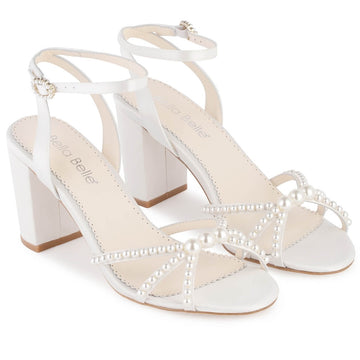
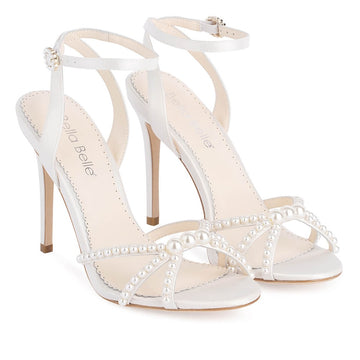
      A block-heel sandal distributes your weight across a wider base than a stiletto, reducing forefoot pressure and keeping the shoe stable on varied surfaces. The Lilia, a 3-inch ivory heel with pearl-lined caged straps in the front, is the clearest expression of what a block-heel bridal sandal can be: bold, exquisitely adorned, and made to wear all day. The glamorous open toe construction shows off your pedicure, while the sturdy block construction and reliable ankle straps ensure every step feels grounded.

      Platform Sandals For Maximum Elevation

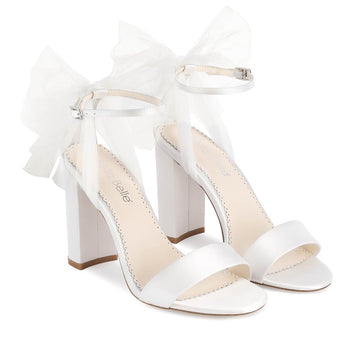
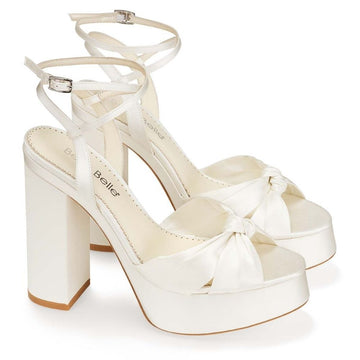
      A platform sole under the toe box reduces the effective pitch of the foot at any heel height, making dramatic elevation considerably more manageable across a full day of wear. The Serafina, a 5-inch ivory platform block-heel sandal with a 1-inch platform, demonstrates how a platform construction can deliver maximum height without the arch strain a comparable stiletto would demand. The elegantly knotted silk at the toe on these beauties brings a fun twist to modern elegance, and the secure ankle strap lets you strut down the aisle with confidence.

      A wedding sandal creates a different visual relationship with a gown than a closed toe heel. The open design draws the eye more directly to the foot, which means the pairing between shoe and dress rewards a little more thought. Choosing dressy sandals for wedding wear means treating the shoe as a considered part of the overall look, not a supporting character.

      Sandals And Gown Silhouettes: What Works Best

      The most stunning pairings are those in which the gown's silhouette and the sandal's character share a mood. For instance, a sleek sheath or column dress pairs well with a graceful and elegant sandal. The Lilia, with its luminous pearl straps and matching pearl buckles, is a stylish pick draped in luxury. It creates the kind of fashion-forward contrast that photographs brilliantly against a minimalist gown. Meanwhile, a flowing boho or chiffon dress pairs well with a sandal adorned with floral embellishments to add feminine flair. Lastly, a tea-length or mini dress puts the sandal front and center, making it the focal point of the look from the ankle down, so bolder shoes tend to work best.

      Matching Shoe Color To Your Gown

      Ivory sandals are the safest pairing with most wedding dresses because they extend the leg line without creating color contrast. For brides who want a slight departure, a champagne or nude tone can warm up a cool white gown while maintaining harmony. For a more unexpected choice, pale blue, blush, or gold work well with a minimalist dress, where the gown's simplicity gives the shoes room to be noticed.

      The Pedicure Is Part Of The Look

      An open toe sandal makes the pedicure visible in almost every photograph taken from the ceremony onward. This is not a reason to avoid a sandal; it is a reason to treat the pedicure as part of the bridal preparation. A classic nude nail complements virtually any sandal color, whereas soft pastels can echo the color of a sandal detail. However, a French pedicure is always a safe choice that photographs crisply without competing with embellished straps.

      Strap configuration is the most overlooked decision in sandal selection and one of the most consequential for both fit and aesthetics. Different strap styles hold the foot differently, flatter different foot shapes, and create entirely different visual effects. Here is how to know what each one offers:

      Ankle Straps: Security And Silhouette Together

      An ankle strap is the single most functional comfort feature in a bridal sandal. Holding the heel firmly in place prevents forward slipping, which causes the toes to jam against the front of the shoe. This tends to be the most common source of sandal discomfort in long-wear conditions. Visually, an ankle strap also creates a clean horizontal line at the leg that reads well in photographs, particularly in walking shots and dancing frames. For brides who want one strap that does the most work, the ankle is where to start.

      Slingback Closures: Minimal And Refined

      A slingback sandal secures the heel with a single strap rather than a full ankle closure, creating a more minimal silhouette at the back of the foot. Slingbacks work best for brides who prefer an uncluttered aesthetic and wear their sandals primarily on smooth indoor surfaces, where the lighter closure is sufficient. They read as quietly luxurious rather than dramatic, which suits modern minimalist bridal looks and sheath or column gowns particularly well.

      Caged And Multi-Strap Designs For Coverage And Structure

      Multi-strap and caged uppers create an architectural sandal look that sits between the coverage of a closed-toe shoe and the openness of a traditional flat sandal. These styles read as more formal than single-strap designs and can handle a wider range of venues and bridal aesthetics. The Lilia’s pearl-studded straps and adjustable ankle straps are a strong example of how a multi-element sandal upper can deliver both security and visual richness throughout an entire wedding day.

      Timing a sandal purchase well protects both the fit and the alteration process. The decisions made here have a direct impact on how the dress falls, how the shoes perform, and how much time you have to prepare before the wedding.

      Buy Before Your First Dress Fitting

      Heel height determines hem length. Even a relatively low sandal heel creates a specific measurement that a tailor needs to work with when pinning the front hem of a wedding gown. Buying your sandals before the first alteration appointment means the hem is set to the exact shoe you plan to wear, and avoids the cost and delay of additional adjustments if the shoe choice changes after alterations are complete.

      The Afternoon Shopping Rule

      Feet swell as the day progresses, reaching their widest point in the late afternoon. Trying sandals in the afternoon rather than the morning gives a more accurate sense of how they will feel at hour six of the wedding, when the swelling has started to kick in. Sandal sizing can also be affected by the width of straps, the security of closures, and the structure of the toe box, so spending time in each pair before committing is more important than it might seem with a closed toe style.

      How To Break In Bridal Sandals

      Sandal straps, particularly leather and silk styles, need time to soften and conform to the contours of the foot before the wedding. Wearing them on carpet at home for 15 to 20 minutes at a time across several days helps soften the strap edges and limit friction at points of contact. Further, it gives the insole padding time to mold to your foot’s unique shape. Starting this process two to three weeks before the wedding ensures the sandals feel just right on the day of the wedding.

      What To Bring To Your Fitting

      Beyond the sandals themselves, a fitting appointment benefits from having the hosiery or foot accessories you plan to wear. This might include heel grips or sheer footlets. If you plan to add gel insoles or anti-blister padding, apply them before the fitting so the tailor sees the shoe at its actual height. And if you plan to wear separate bridal sandals for your ceremony and reception, make sure to bring both. After all, your tailor needs to know the hem works for the style you will be wearing during the most photographed moments of the day.

      Back to top